1. Arrival and First Impressions
Touching down in Tauranga after a morning flight, the air already felt different—brighter, perhaps crisper, certainly saltier. Nestled along the Bay of Plenty, this harbor-side city doesn’t merely greet visitors with beaches and sunshine, but with a hum of history and culture humming beneath its contemporary surface.
The taxi ride from Tauranga Airport into the city center was brief. Along the route, signs of Māori heritage interwove with European colonial architecture, reminding me that this wasn’t just another coastal city—it was a place with roots, identity, and layered stories.
After checking into a boutique accommodation near the waterfront—an old villa converted into a guesthouse—I set out to begin the cultural experience route I had mapped: one that would delve deep into the spirit of Tauranga through its museums, art galleries, and Māori heritage experiences.
2. The Heartbeat of Heritage: The Tauranga Heritage Collection
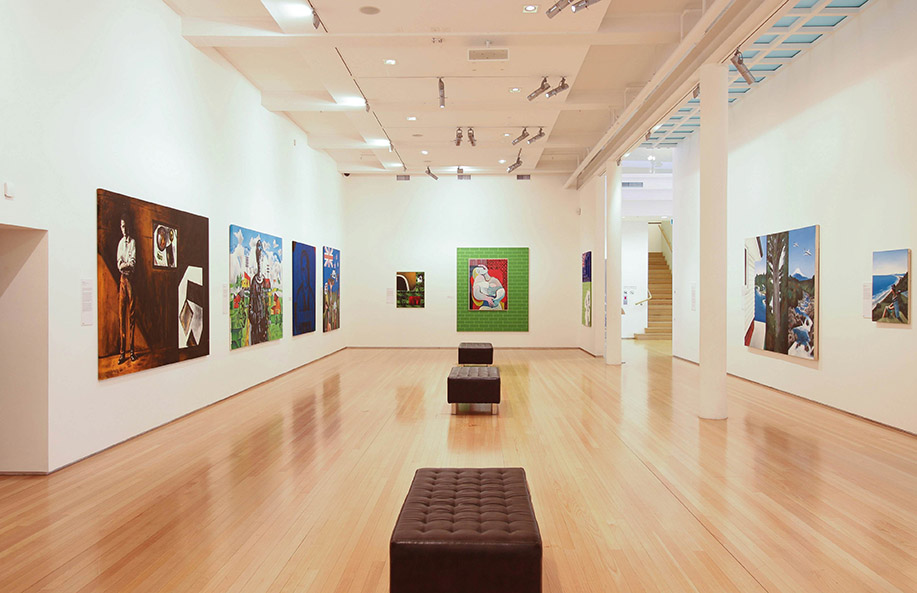
The Tauranga Heritage Collection is not housed in a single building but rather forms the backbone of several cultural institutions throughout the city. My first stop was the Tauranga Art Gallery, which works closely with the Heritage Collection to showcase pieces that reflect the region’s evolving identity.
Stepping into the Tauranga Art Gallery on Willow Street, I was welcomed by high ceilings and natural light streaming through glass walls. A kind docent handed me a program of current exhibits. The main floor featured “Echoes of Aotearoa,” a captivating blend of traditional Māori carving and contemporary sculpture that reflected the conversation between past and present.
On the second floor, a room was dedicated to colonial-era portraits and artifacts—a fascinating, if sobering, reminder of the complex history of European settlement. Old maps, settlers’ journals, and Māori trade items lined the walls. I spent nearly an hour poring over a collection of flax cloaks and hand-crafted greenstone (pounamu) tools, marveling at the intricacy of their creation and the durability of their materials.
An adjoining gallery presented the photographic works of Marti Friedlander, her black-and-white portraits of Māori elders gazing out at me with intense, unspoken narratives. Their faces—etched with moko kauae (chin tattoos)—spoke volumes about lineage, endurance, and pride.
3. Elms Mission House: A Colonial Footprint in a Māori Landscape
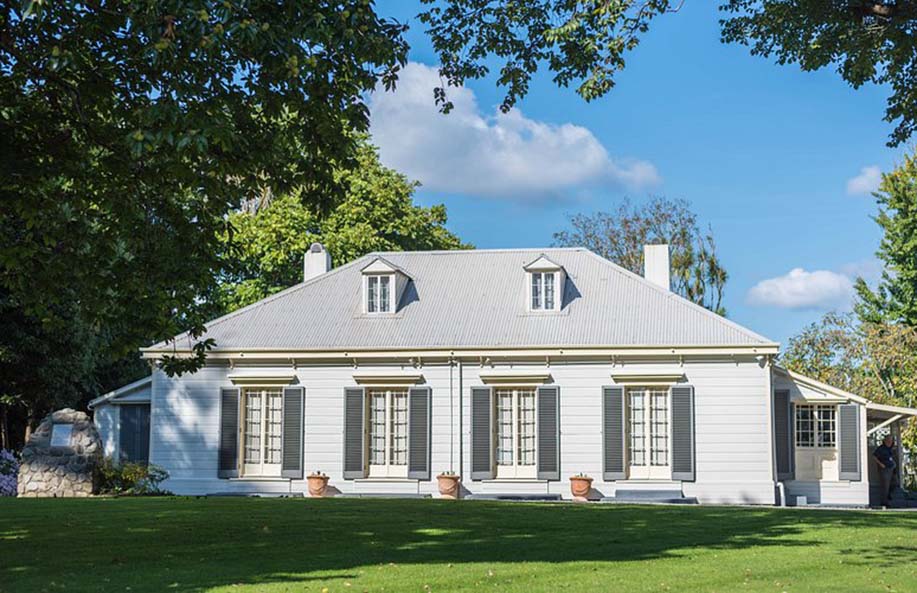
A short walk from the gallery brought me to The Elms | Te Papa Tauranga, one of the oldest heritage sites in the city. Built in the 1840s, the Mission House stands amidst manicured gardens and ancient trees, a stillness about it that contrasted with the ocean breeze just a block away.
Guided tours are available here, and I joined a small group led by a knowledgeable local historian. The tour was refreshingly detailed. Inside the house, Victorian furniture, oil lamps, and book-lined shelves preserved the atmosphere of 19th-century missionary life. In the study, a Bible annotated in both English and te reo Māori lay open on a desk—testimony to the missionaries’ earnest, if sometimes misguided, efforts at cultural bridging.
In the chapel, our guide spoke about Alfred Brown, the missionary who lived here, and his relationships with the local iwi (tribes), particularly Ngāi Te Rangi. It was clear that the story of The Elms wasn’t merely about colonial occupation but about exchange, adaptation, and often difficult coexistence.
Outside, I lingered in the garden, where a mature pōhutukawa tree stood like a guardian spirit. A nearby plaque explained that this location was once a strategic pā site, chosen for its view over the harbor. Layers of history beneath every step—ancient Māori settlements, missionary negotiations, British expansion.
4. Encountering Mana Whenua: The Māori Cultural Workshops at Whareroa Marae
A highlight of the cultural route awaited further south at Whareroa Marae, near Mount Maunganui. With prior arrangement, the marae offers visitors an opportunity to participate in cultural workshops. These are not tourist shows; they are educational immersions designed with the blessings of local kaumātua (elders).
Arriving at the marae entrance, the carved waharoa (gateway) greeted me with its striking artistry and spiritual gravitas. I was welcomed with a pōwhiri—the traditional welcoming ceremony involving karanga (a call of welcome), wero (a warrior’s challenge), and hongi (the pressing of noses).
The hongi, in particular, carried a powerful intimacy. As I pressed noses with the marae elder, I was reminded that in Māori tradition, this act is more than a greeting—it is the sharing of breath, the acknowledgment of shared humanity.
Over the next three hours, we participated in a series of workshops. The kapa haka session was electrifying. Even without formal training, feeling the beat of the poi, chanting, and coordinated haka movements lit something visceral inside me. Māori culture is alive in its performance—not just preserved, but thriving and innovating.
Next came a weaving session, where an elder named Rangi guided us in creating small baskets from harakeke (flax). She spoke about the tikanga (protocols) surrounding harvesting, the spiritual respect paid to the plant, and the meanings embedded in the patterns. My fingers fumbled at first, but with guidance, the rhythm came.
Lunch was a communal affair—hāngi-style food prepared by the hosts: tender meats and root vegetables slow-cooked in an earth oven. The smoky flavor lingered pleasantly long after the meal ended.
5. Mount Maunganui and the Ancestral Pathways
A cultural route through Tauranga would be incomplete without a visit to Mauao—known in English as Mount Maunganui. More than just a scenic hiking trail, Mauao is a sacred site steeped in mythology and ancestral reverence.
The base track around the mountain offered panoramic views of the harbor and Pacific Ocean. Along the path, interpretive signs told the story of Mauao’s origins, involving love, betrayal, and transformation. According to local legend, the mountain was a nameless one, rejected in love and attempting to drown himself, only to be frozen by the dawn. Hence, “Mauao” means “caught by the morning light.”
Atop the summit, the vista was breathtaking. More than that, it carried an intangible weight. I sat quietly, thinking about the footprints that had walked this path for centuries—warriors, messengers, and guardians. The land here is not separate from the people. It is the people.
6. Art Beyond the Frame: Street Murals and Urban Culture
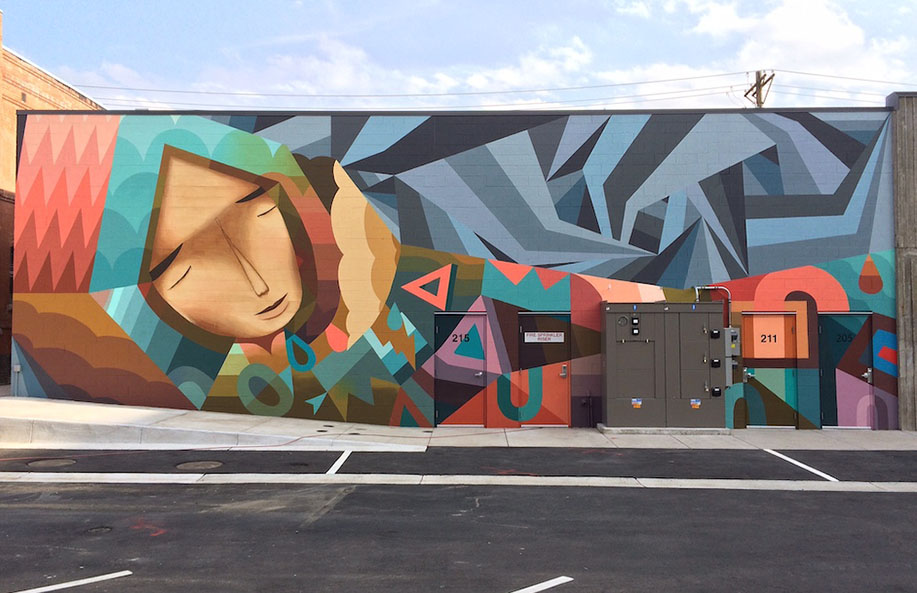
Returning to the city, I spent time exploring the Tauranga Art Walk, a self-guided route showcasing street art that wraps around buildings, alleys, and stairwells. Local artists, many of Māori descent, have contributed to this open-air gallery, giving the city an edgy vibrancy.
One mural particularly stood out—on Spring Street, an enormous portrait of a kuia (elderly woman) gazed out over the traffic. Her eyes were kind but unwavering. Above her head, stylized birds in flight symbolized transition, whakapapa (genealogy), and memory.
The murals aren’t just aesthetic—they’re conversation starters. Near the waterfront, a wall is covered with symbols referencing Matariki, the Māori New Year. Beneath them, schoolchildren had written their hopes and dreams on chalkboards: “To be brave,” “To care for the sea,” “To learn my pepeha (tribal identity).”
7. The Whakatāne Connection: A Side Trip into Genealogy and Spiritual Practice
Though not in Tauranga proper, a day trip to nearby Whakatāne added another layer to the cultural journey. About 90 minutes by car, the town is a significant site in Māori history, especially regarding the arrival of the Mātaatua canoe.
At Te Whare Taonga o Taketake, a cultural center dedicated to the Mātaatua iwi (tribe), I learned about the ancestral canoe’s journey from Hawaiki and the traditions carried aboard—language, gardening knowledge, spirituality. Exhibits included carved prow sections, cloaks, and a digital whakapapa tree that visitors could explore via touchscreen.
A guide led us through a karakia (ritual prayer) in a dimly lit room, accompanied by traditional instruments. It was a meditative, almost trance-like experience. Outside, the scent of manuka drifted through the air, grounding the experience in nature.
8. Evening Reflections by the Strand
Back in Tauranga, the sun dipped below the Kaimai Ranges, painting the sky in oranges and mauves. Along The Strand, the waterfront promenade, couples strolled, children chased each other, and the scent of sea salt mingled with the sizzle of seafood from nearby eateries.
I sat at a bench facing the harbor, watching as a group of young performers practiced haka beneath a pōhutukawa tree, occasionally correcting each other’s stance or rhythm. Nobody seemed to mind the curious glances from passersby. This was not a performance—it was practice, a daily rhythm, a reaffirmation.
From the artistic elegance of the Tauranga Art Gallery to the living heartbeat of Whareroa Marae, from the colonial echoes of The Elms to the sacred breath atop Mauao, the cultural journey through Tauranga had not only painted a picture—it had carved something deeper.
And though much had been seen, even more remained felt—beneath the skin, behind the eyes, somewhere within the breath shared during a hongi.