1. Arrival in Tauranga: First Impressions of Coastal Serenity
The road curved along the coastline as if deliberately designed to enhance every glimpse of the sea. Stepping out into Tauranga, the scent of salt air was the first to greet me—sharp, bracing, with a tang of seaweed. The sun hung low in the sky, casting long golden streaks over the water. Located in New Zealand’s Bay of Plenty, Tauranga is more than a scenic harbor city; it’s a magnet for outdoor pursuits, particularly aquatic ones. It didn’t take long to realize that the rhythm of life here is dictated by the tides, the weather, and the wind.
The city blends urban sophistication with oceanfront accessibility. Cafés line the waterfront, boats sway lazily in the marina, and locals navigate their paddleboards with a casual grace that suggests they’ve been doing it since childhood. The days ahead promised a thorough immersion into the waters that surround Tauranga—each one beckoning with a different thrill: the meditative sweep of kayaking, the spirited challenge of surfing, and the silent, shadowy wonder of diving beneath the surface.
2. Kayaking the Wairoa River: A Journey Through Stillness and Motion
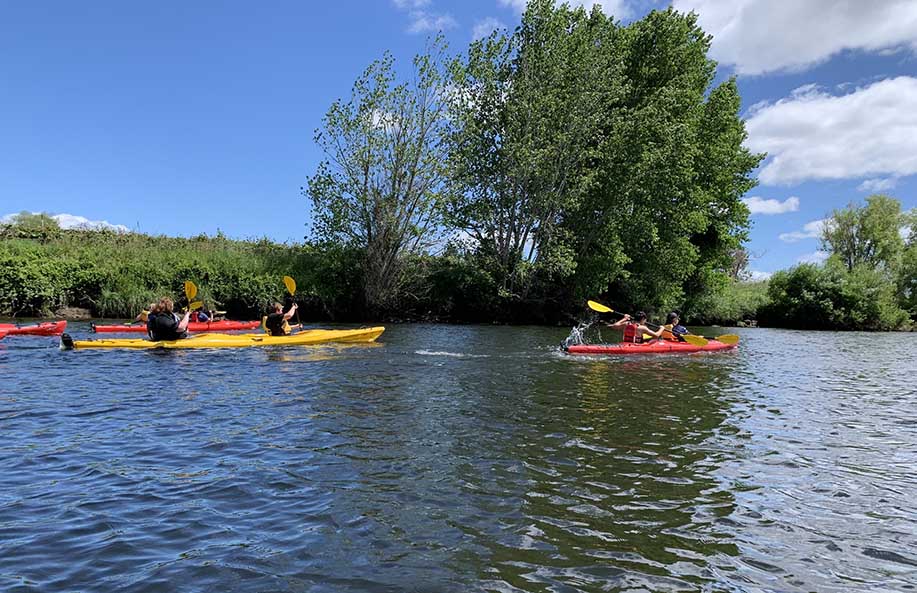
The morning of the kayaking excursion arrived with clouds scattered like broken porcelain across the sky. The Wairoa River, located just inland from the harbor, offers a mix of tranquil paddling and adrenaline-filled rapids, depending on the stretch. Launching from a quiet bank, the water was like glass—reflecting willows, ferns, and the occasional startled bird taking flight.
A double-bladed paddle sliced the water in rhythmic dips, each stroke propelling the kayak forward with a satisfying glide. The river’s calm sections lulled the senses; the only sounds were the splash of the paddle, the whisper of the breeze, and birdsong echoing through the foliage. Dragonflies hovered close, shimmering like blue-green jewels.
Midway along the journey, the river narrowed. A slight current tugged at the kayak, hinting at the more active segments ahead. The banks closed in, lined with native bush and the occasional limestone outcrop streaked with moss. As the kayak picked up speed, the experience shifted from meditative to exhilarating. The first of the minor rapids arrived suddenly, a froth of whitewater that jostled the kayak and sent a spray across the bow. Heart pounding, paddle braced, the kayak darted through the rush, emerging into another quiet bend with the thrill still echoing.
Along the way, small side channels branched off like secrets waiting to be discovered. One led to a lagoon cloaked in mist, silent and pristine. Here, time felt suspended. The water was mirror-still, disturbed only by the occasional ripple of a fish breaking the surface. Birds nested in overhanging trees, their calls reverberating through the air like flutes.
Rejoining the main river, the final stretch brought a return to gentler waters. The exit point came into view with a slow bend, revealing a stone jetty and a cluster of kayaks resting on the shore. Stepping back onto solid ground, muscles humming, there was a deeper awareness of the river’s moods: its gentleness, its strength, its hidden power.
3. Surfing Mount Maunganui: Learning the Language of the Waves
If the Wairoa River whispered, the surf at Mount Maunganui roared. Referred to by locals simply as “The Mount,” this iconic beach is a surfing haven. The shoreline stretches in a perfect crescent, the waves forming clean lines that roll in with purposeful elegance. There’s a ritual to the morning surf scene here. Wet suits are tugged on with practiced ease, boards are waxed with deliberate care, and eyes scan the horizon with focused anticipation.
The surfboard was longer than expected, a beginner-friendly longboard designed for stability. Carrying it under one arm, feet crunching through the warm sand, there was a brief moment of doubt while watching seasoned surfers effortlessly cut across waves. But the water welcomes everyone.
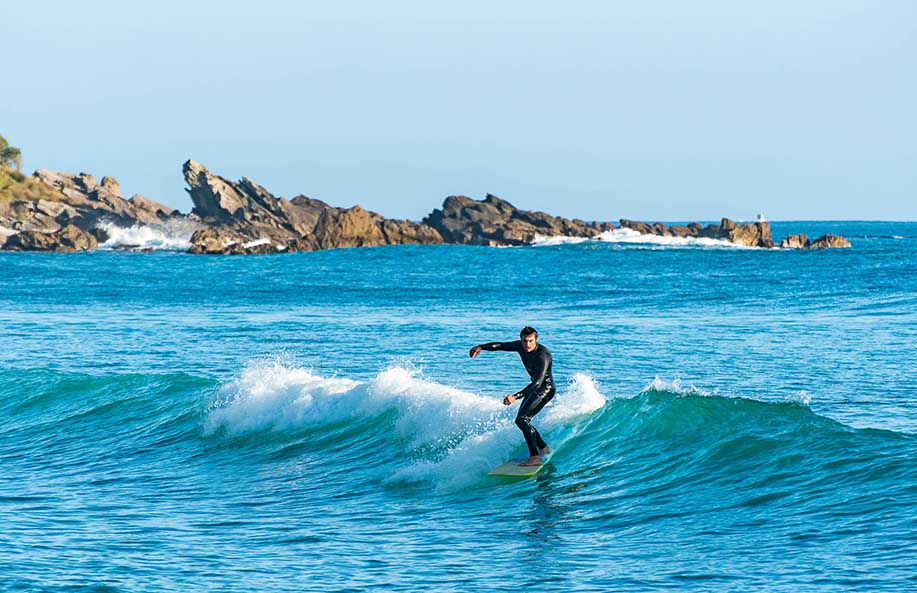
The first few attempts were chaotic. Waves surged under the board, balance faltered, saltwater rushed into eyes and nose, and the ocean showed its disinterest in human plans. Yet the persistence had its rewards. A smaller wave approached, well-shaped and gentle. With a determined paddle and an awkward pop-up, feet found their place and the board caught the wave. For a brief, glorious moment, everything clicked. The board skimmed the water, the wind pulled at wet hair, and the shore came rushing forward like a film on fast-forward.
Time in the surf passed in a series of rides, falls, laughter, and lessons. Between sets, floating on the board just beyond the break, there was space for reflection. The ocean, unpredictable and wild, teaches humility. It rewards patience, awareness, and adaptability.
On shore, surf instructors offered tips with good-humored candor. “Don’t fight the wave—read it,” one said, gesturing toward the sea as if it were a book. Watching more experienced surfers ride the same waves with fluid grace turned learning into aspiration. Their movements seemed choreographed, blending athleticism with intuition.
After hours in the water, arms heavy and legs weary, walking back up the beach with the surfboard left a sense of quiet pride. The Mount, with its bustling cafes and relaxed beachfront vibe, waited with the promise of rest and refreshment, but the memory of the surf lingered like a drumbeat under the skin.
4. Diving in the Bay of Plenty: Descent into Another World
No surface activity prepares you for the sheer otherness of diving. The Bay of Plenty offers several dive spots, including shipwrecks, reefs, and offshore islands teeming with marine life. Setting off from the Tauranga marina aboard a modest-sized dive boat, the morning began under a cloudless sky. The gear was prepared in measured steps: tanks checked, regulators tested, wetsuits zipped.
The dive site was the wreck of the Rena, a cargo ship that struck Astrolabe Reef in 2011. Now, it serves as an artificial reef, a haven for marine biodiversity. Anchoring nearby, the briefing was clear: visibility was excellent, currents were mild, and entry would be a backward roll from the side.
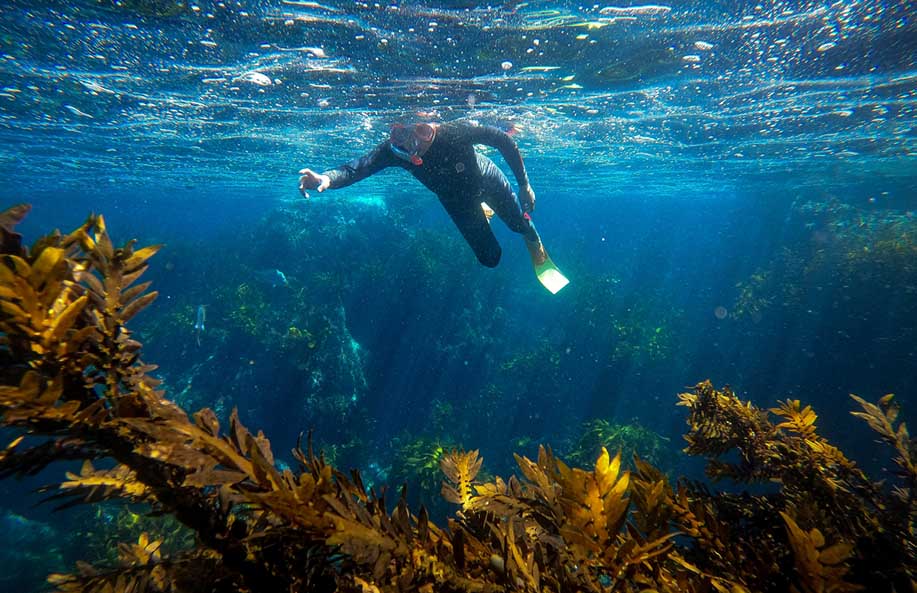
The water enveloped with a cool embrace. Descent was gradual, each equalization of pressure marking the passage into a different realm. Below 10 meters, the outline of the Rena began to emerge—an eerie, skeletal silhouette encrusted with coral and swarming with fish. Light filtered through the surface like cathedral glass, illuminating the wreck in shafts of blue.
Swimming closer, the structure came alive. Schools of trevally swept past like silver rivers. Crayfish peered from crevices. A moray eel, coiled in a shadowy gap, regarded the visitors with ancient wariness. The experience defied ordinary movement; everything slowed and became deliberate. Breathing was rhythmic, soundless but for the inhale and exhale from the regulator.
Within the confines of the shipwreck, metal beams lay twisted and open like the pages of a rusted book. Growths of sponge and anemones colored the surfaces in ochre, violet, and crimson. Fish darted in and out, unbothered by the human presence. A school of kingfish circled overhead in tight formation, their scales glinting like armor.
The dive progressed in loops around the structure. Each pass revealed something new: a patch of bright nudibranchs, a sleeping stingray camouflaged against the sand, a lone snapper hovering like a sentinel. Near the end of the dive, rising slightly toward the surface, a sea turtle appeared—a surprise encounter. It glided past with ancient calm, its shell etched with the story of countless miles.
The ascent was gradual, observing the safety stop while watching bubbles drift skyward. Breaking the surface felt like waking from a dream. The boat bobbed gently nearby, the air warm and bright.
Back on deck, gear was stowed, and conversations turned to what had been seen and felt. Diving leaves a quiet imprint. It alters perception, stretches awareness, and reveals how much life flourishes beyond the limits of what eyes usually see.
5. Evenings by the Harbor: Recollection and Replenishment
As the sun dipped below the hills behind Tauranga, the harbor shimmered with a gold-tinged calm. Restaurants along The Strand filled with patrons, the scent of grilled seafood mingling with ocean air. Locals and visitors alike congregated on boardwalks, some still in beach attire, others dressed for dinner. Children darted between benches. Musicians set up small amplifiers and filled the twilight with acoustic melodies.
Evenings here invite reflection, not through introspection alone, but through the lived presence of water, wind, and warmth. The sea does not retreat with the sun; it simply softens its voice. There is a subtle satisfaction in recalling the day’s salt and spray, the measured ache of used muscles, the layers of sunscreen and salt clinging to the skin.
In every movement—whether it’s paddling against the river’s quiet flow, standing tall on a breaking wave, or descending into the secret world beneath the surface—Tauranga’s waters offer more than sport. They offer perspective. To move with the water, rather than against it, is to better understand its grace, its unpredictability, its depth.