1. Arrival in Tauranga: Coastal Charm with a Hidden Depth
Morning sunlight pierced through the descending clouds as I drove into Tauranga, a coastal jewel nestled in New Zealand’s Bay of Plenty. The scent of sea salt mingled with fresh pastries from the cafés that dotted the city center. But my journey here wasn’t about ocean views or trail walks. It was about time travel—not the science fiction kind, but the tactile, dust-covered kind that comes with poking through vintage drawers, lifting the lid of a century-old jewelry box, or flipping through the browned pages of a wartime diary.
Tauranga, beyond its scenic glory, offers an unexpectedly rich circuit of antique stores and retro boutiques. They’re not merely businesses but well-curated museums with price tags, presided over by shopkeepers who function more as storytellers than salespeople. Each shop holds a universe where the past whispers through silk gloves, Bakelite radios, and butter-churned memories.
2. The Elms Antiques Market: Echoes of Colonial Elegance
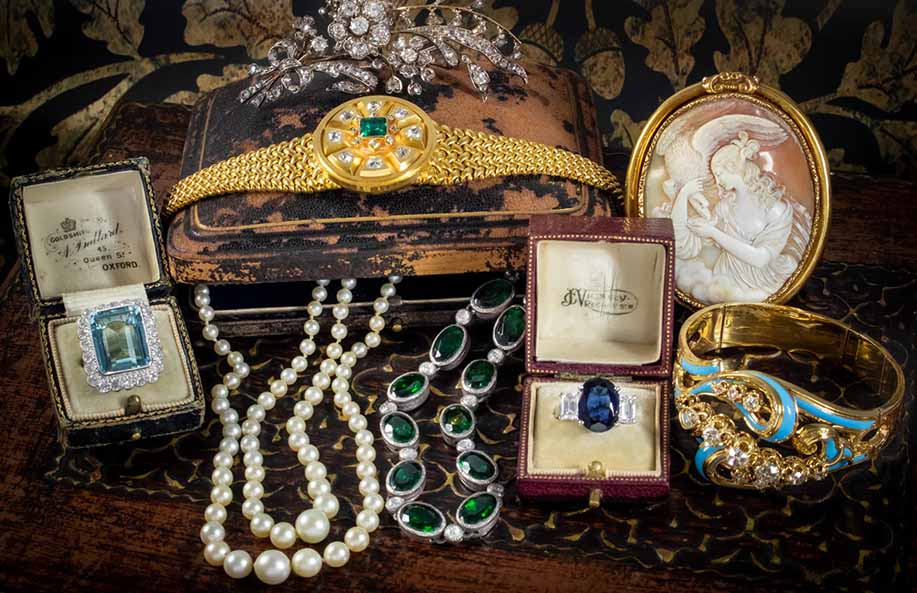
Not far from The Elms Mission House, an iconic 19th-century heritage site, lies a pocket-sized antiques fair that blooms every other Sunday. Set beneath awnings and beneath the old camphor trees, the market offers a curated collection of colonial keepsakes, bone china sets, Victorian brooches, and nautical relics reminiscent of the early settlers who once docked at Tauranga Harbour.
The charm lies not only in the artifacts themselves but in how they are presented: carefully arranged on white linen, interspersed with handwritten price tags, and sometimes, personal notes. One seller, a quiet gentleman with a bowler hat, unfolded the story behind a brass compass that had circumnavigated the globe in the hands of his great-grandfather.
I spent the better part of two hours here, sifting through crates of ephemera—maps from 1880s Christchurch, postcards from Napier before the earthquake, and even ration books from World War II. There’s a meditative pleasure in such unhurried browsing, and time seemed elastic in the shade of history.
3. The Vault: Vintage with Verve on Devonport Road
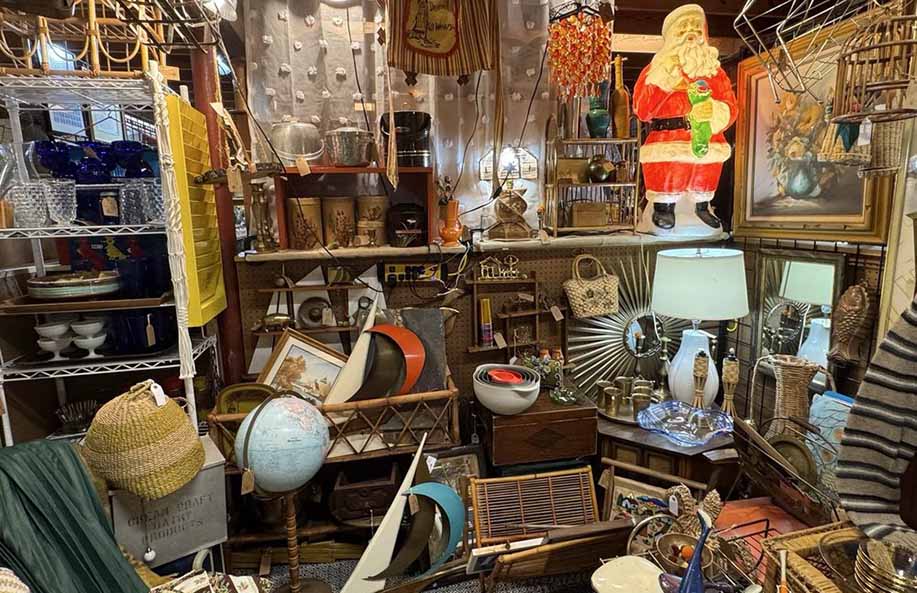
A short walk from the waterfront led me to The Vault, an industrial-chic emporium occupying what once was a bank. Ironically apt, considering the treasures inside. Exposed brick walls now host retro advertising posters, while the vault itself—yes, the actual iron-clad safe room—houses a high-end selection of rare mid-century furniture.
Walking inside felt like entering a time capsule curated by someone with impeccable taste and a flair for whimsy. Art Deco dressing tables stood alongside chrome-legged armchairs straight out of a 1950s lounge. On a shelf, a typewriter hummed a silent sonnet, flanked by vintage rotary phones in mint green and mustard yellow.
The store staff were equally polished, offering gentle commentary on each item’s provenance. I found myself drawn to a leather-bound 1930s globe that spun with dignified grace. I didn’t buy it—it was extravagantly priced—but the temptation of imagining a previous owner tracing ocean routes during the golden age of exploration was intoxicating enough.
4. Red Ruby Retro: A Flash of the Fabulous
If The Vault was refined nostalgia, Red Ruby Retro was joy incarnate. The shop explodes with color, sound, and a certain irreverent energy. Located in Mount Maunganui’s boutique quarter, this space is part record store, part vintage apparel haven, and entirely unapologetic in its celebration of kitsch.
The music—swing jazz with a sprinkle of disco—sets the tone. Racks of 70s jumpsuits, shoulder-padded blazers, and psychedelic skirts compete for attention with shelves stacked full of lava lamps, cassette decks, and Garfield memorabilia.
I spoke briefly with the owner, whose red cat-eye glasses and rockabilly dress confirmed she lived her brand. She mentioned that every item is handpicked from estate sales across the North Island, and nothing makes it onto the floor unless it “sparkles with a story.” I walked out with a pair of sunglasses that looked like they belonged in a David Bowie video and a 1960s cookbook that redefined the word “gelatinous.”
5. Otumoetai Curios: Quaint, Quiet, and Endlessly Quaint
Otumoetai isn’t usually on the tourist trail, but hidden among its sleepy suburban streets is a modest bungalow transformed into Otumoetai Curios. This was a softer place—quieter, more subdued, the kind of antique store where each item seems to rest in peaceful retirement.
Shelves bowed under the weight of hand-painted porcelain, and faded oil portraits hung like guardians of memory. It smelled faintly of lavender and sun-dried linen, a sensory postcard from a different century.
The storekeeper, an elderly woman named Mavis, offered tea in a cup that probably hadn’t seen a dishwasher in decades but was no less spotless for it. She spoke slowly, pausing over names and dates, but each anecdote she shared added texture to the teacups and tapestries around us. I found a carved wooden photo frame, still housing a black-and-white wedding portrait, and couldn’t help wondering what became of the smiling couple.
6. The Retro Room: Design, Decades, and Drama
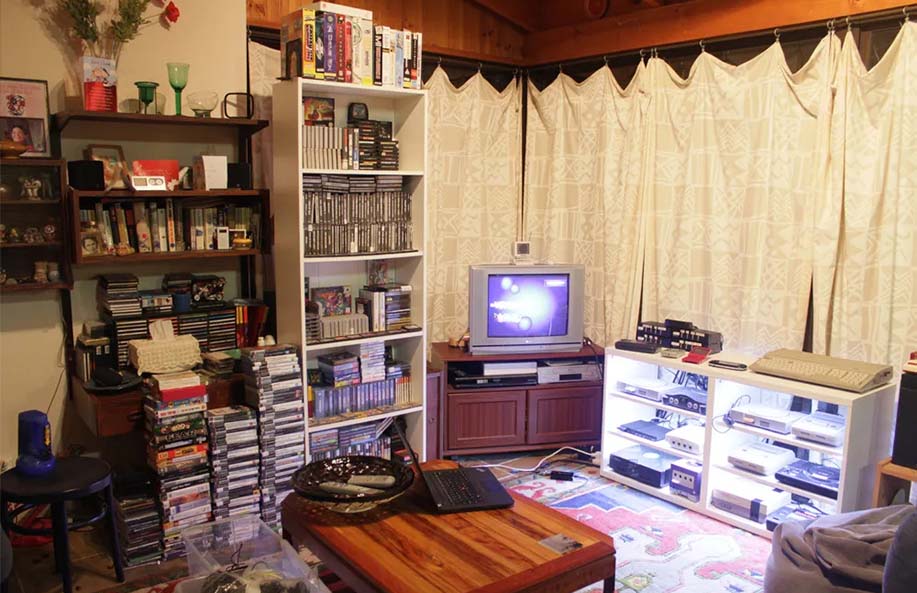
Back near the city center, The Retro Room stood as a monument to 20th-century design. With its clean layout and polished wooden floors, the shop gave off the air of a gallery more than a store. Each corner was dedicated to a different decade. One wall celebrated the 60s in all its atomic-age glory, while another recreated a 1980s teenage bedroom—complete with posters of Madonna and a Rubik’s Cube left mid-solve.
There was a refreshing intentionality to how the items were displayed, as though each one had been given a stage to perform. I spent a long moment examining a Scandinavian teak writing desk that looked like it had hosted volumes of handwritten letters and possibly one or two clandestine novels.
The owner was a former set designer, which explained the theatricality. He spoke of form and function, of how design communicates the spirit of an age. I bought a chrome desk lamp with a cantilevered arm, more for the poetry of its lines than any practical need.
7. Bay of Plenty Vintage Trails: Beyond Tauranga Proper
Outside the urban sprawl, the Bay of Plenty region brims with forgotten barns, roadside stalls, and sleepy hamlets with hidden gems. A half-hour drive south brought me to Te Puke, where an old railway station had been converted into an antique co-op.
Inside, vendors from all over the region showcased their finds: kauri wood cabinets, enamel advertising signs, hand-sewn quilts, and tobacco tins dating back to the Boer War. The place thrummed with the chatter of pickers and collectors, and the air was thick with the scent of polished wood and aged paper.
Every item seemed to carry its own passport—a wooden doll pram from Invercargill, a tapestry from Napier, a cigar box from Dunedin. It reminded me that antiques are not just objects but travelers themselves, passed from hand to hand, sometimes across continents, other times just across generations.
8. The Ephemeral and the Enduring
What makes antique hunting in Tauranga so compelling isn’t simply the range of items or even the prices—though I did notice they’re markedly fair compared to larger cities. It’s the sense of continuity. Each object is a junction between past and present, between someone’s yesterday and another’s tomorrow. The city itself, with its Victorian facades and Art Deco signage, seems to whisper approval.
More than once, I caught myself wondering about the lives behind the objects: the woman who clipped her hatpins into the velvet stand I now admired; the soldier who scrawled a love note into the back of the photograph I held; the child who once believed a wind-up bear was the pinnacle of magic.
9. Living With the Past, Looking Forward
Antiques don’t simply decorate—they speak. They don’t just fill a space; they shape it, bringing with them the patina of experience, the weight of human hands, the silent gravity of time.
Walking through these shops in Tauranga, I felt less like a customer and more like a caretaker of moments. Each purchase felt not like a transaction but a promise to remember, to preserve, to carry forward.
There is a certain irony in discovering so much life among what others have left behind. But perhaps that is the heart of collecting: not ownership, but stewardship. In Tauranga, surrounded by these forgotten treasures and remembered lives, that notion feels not only right—it feels timeless.